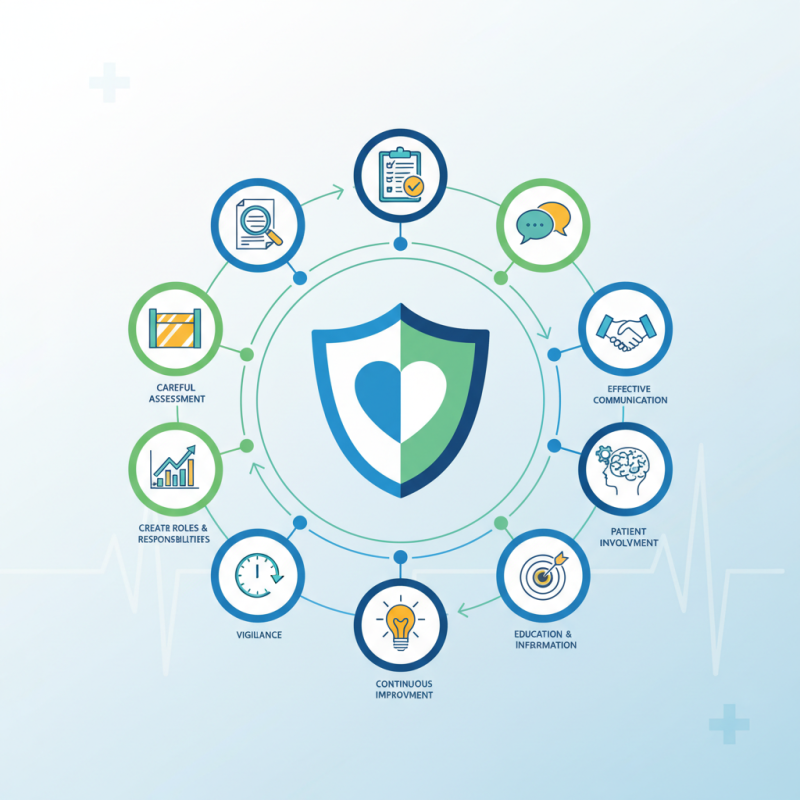
Improving patient safety during minor procedures is essential for healthcare providers. While these procedures may seem routine, they carry inherent risks. Many patients trust healthcare professionals to protect their well-being. However, lapses in safety can lead to significant consequences. Understanding how to improve patient safety during minor procedures is vital.
Healthcare professionals must stay vigilant. Procedures should be assessed carefully, with attention to detail in every step. Checklists can be a simple yet effective tool for minimizing errors. Effective communication among team members is equally important. Each participant in a procedure should be aware of their roles and responsibilities.
Moreover, patient involvement plays a crucial role. Engaging patients in their care promotes awareness and safety. They should be informed and educated about their procedures. Reflecting on past incidents can provide valuable lessons. Continuous improvement is necessary, as no system is perfect. By addressing these elements, healthcare providers can create a safer environment for minor procedures.
Establishing a comprehensive pre-procedure patient assessment protocol is vital for enhancing patient safety during minor procedures. Research indicates that up to 30% of adverse events in outpatient settings arise from inadequate pre-procedure assessments. A robust protocol can significantly reduce these risks. Furthermore, the Institute for Healthcare Improvement suggests that structured assessments lead to better communication among healthcare teams.
Implementing a thorough checklist can serve as a fail-safe mechanism. This checklist should include vital signs, medical history, and medication review. Studies show that using checklists can decrease surgical complications by as much as 20%. However, challenges persist. Some providers may perceive these protocols as time-consuming or redundant. Reflecting on these attitudes is crucial. Incremental changes in routine can lead to substantial safety improvements over time.
Additionally, patient involvement in pre-procedure assessments is essential. Engaging patients encourages them to share concerns or symptoms that may not be obvious to providers. Evidence shows that patients who actively participate in their care tend to have better outcomes. That said, not all patients feel comfortable voicing their concerns. Training staff to create an open environment is a key step in fostering this communication. Each of these elements plays a role in refining patient safety and care.
Effective communication within healthcare teams is crucial, especially before minor procedures. Clear dialogues can significantly enhance patient safety. Healthcare professionals must engage in pre-procedure discussions to ensure everyone has a shared understanding. This includes surgical teams, nurses, and anesthesiology staff.
Miscommunication can lead to mistakes, so establishing a thorough protocol is necessary.
Briefing sessions before procedures should be standard practice. These sessions can cover roles, responsibilities, and specific patient concerns. Taking the time to review patient history and potential complications fosters a culture of accountability. It encourages team members to speak up if they have concerns or spot inconsistencies.
However, despite best efforts, lapses in communication can still occur. Reflecting on these moments is essential for continuous improvement.
Utilizing checklists can further streamline communication. They serve as a tangible reference for teams. However, some staff may feel this process is tedious. Encouraging feedback about its effectiveness can help tailor improvements. Cultivating an environment where open discussion is valued can reduce the chances of errors.
Sharing lessons learned aids in building a safer practice. Regular training sessions can help ensure everyone is on the same page and understands their role.
Implementing strict sterilization and hygiene practices during minor procedures is crucial to enhancing patient safety. According to the World Health Organization, healthcare-associated infections affect hundreds of millions of patients globally each year. These infections not only prolong hospital stays but also increase healthcare costs. In minor procedures, maintaining a sterile environment is often overlooked, yet it remains essential.
One effective measure is the use of autoclaves for sterilizing surgical instruments. Studies suggest that proper sterilization can eliminate 99.9% of pathogens on instruments. Additionally, staff should wear appropriate personal protective equipment (PPE) to avoid contamination. Hand hygiene practices are also vital. Research indicates that proper handwashing can reduce the transmission of nosocomial infections by up to 50%.
Despite these measures, challenges persist. Some healthcare facilities struggle with compliance due to time constraints or inadequate training. There are still instances where staff fail to adhere to established protocols. Regular audits and training sessions should be implemented to address these gaps. Reflection on past incidents can help create a safer environment. Creating a culture of safety is paramount to ensuring patient well-being during minor procedures.
In modern healthcare, leveraging technology to enhance patient safety is crucial, especially during minor procedures. Real-time monitoring systems can significantly reduce risks. Utilizing wearable devices allows healthcare professionals to track vital signs continuously. These devices provide immediate alerts for any abnormalities. This responsiveness can prevent complications before they escalate.
However, relying solely on technology may not be sufficient. Human oversight is still essential. Staff must be trained to interpret data effectively. They should recognize when to act on alerts generated by systems. Over-reliance on technology can sometimes lead to complacency. An example of this is when alarms go unnoticed due to alarm fatigue among staff.
Integrating technology should also involve patient engagement. Clear communication about monitoring efforts fosters trust. Patients who understand the process are more likely to cooperate. They can provide valuable insights into their condition as well. Balancing technology with human interaction is key to improving patient safety during procedures. Always striving for a seamless integration can enhance outcomes and minimize risk.
Effective post-procedure follow-ups are essential for patient safety. After any minor procedure, patients often feel anxious. A structured follow-up allows healthcare providers to address these concerns promptly. Clear communication is vital. Patients should receive clear instructions on what to expect after their procedure. This guidance helps them recognize potential complications early.
Patient education sessions play a crucial role too. When patients understand their recovery process, they are more likely to adhere to aftercare instructions. Visual aids can enhance understanding. For example, diagrams explaining wound care can be beneficial. However, many times, these sessions feel rushed. Providers may not give patients enough time to ask questions. This oversight can lead to confusion and increased anxiety.
Additionally, staff should encourage an open dialogue. Patients should feel they can reach out with concerns at any time. A phone call or a follow-up message can provide reassurance. Reflecting on past experiences, many healthcare teams may realize not all patients fully comprehend their aftercare. Ongoing training and feedback can help improve these crucial interactions. Ensuring patient safety is a continuous process that requires vigilance and adaptation.
| Method | Description | Benefits | Implementation Tips |
|---|---|---|---|
| Thorough Pre-Procedure Assessment | Evaluate patient's health status and medical history. | Identify potential risks early. | Use standardized assessment forms. |
| Proper Sterilization Techniques | Ensure all instruments and surfaces are properly sterilized. | Reduce risk of infections. | Follow the latest guidelines for sterilization. |
| Informed Consent Process | Clearly explain procedures and risks to patients. | Empowers patients and reduces liability. | Use simple language and visual aids. |
| Continuous Monitoring During Procedures | Monitor vital signs and patient condition throughout. | Immediate response to complications. | Use checklists to ensure consistency. |
| Post-Procedure Follow-Up | Schedule follow-up appointments to assess recovery. | Ensures no complications arise. | Remind patients of their next appointment. |
| Patient Education Sessions | Educate patients about aftercare and warning signs. | Empowers patients to take charge of their health. | Provide handouts and resources. |
| Multi-Disciplinary Team Approach | Involve various healthcare professionals in the care process. | Enhances care quality and safety. | Regular team meetings to discuss cases. |
| Use of Technology | Leverage electronic health records and monitoring systems. | Improves accuracy and efficiency. | Train staff on new technologies. |
| Clear Communication Protocols | Ensure all team members are informed on patient status. | Reduces chances of misunderstandings and errors. | Implement regular briefings. |
| Feedback Mechanisms | Collect and analyze patient feedback for improvement. | Identifies areas for enhancement. | Regularly review feedback and adjust practices. |
: It enhances patient safety by ensuring everyone understands their roles and patient concerns.
They should address roles, responsibilities, and any specific patient concerns or potential complications.
They provide a tangible reference that can streamline communication and reduce errors.
Some staff may find the checklist process tedious and may not provide feedback for improvement.
It prevents healthcare-associated infections that can prolong hospital stays and increase costs.
Using autoclaves can eliminate 99.9% of pathogens on surgical instruments.
Time constraints and inadequate training can lead to non-compliance with sterilization protocols.
It allows providers to address patient anxieties and helps patients recognize potential complications.
Using visual aids, like diagrams, can improve understanding of recovery processes.
By encouraging open dialogues and allowing patients to ask questions or express concerns.
Improving patient safety during minor procedures is paramount in healthcare settings. One effective approach is to establish a comprehensive pre-procedure patient assessment protocol that identifies potential risks and ensures patients are adequately prepared. Additionally, enhancing communication among healthcare team members prior to procedures can significantly reduce misunderstandings and enhance overall coordination.
Implementing strict sterilization and hygiene practices during procedures is crucial to minimize the risk of infections. The use of technology for real-time monitoring can further bolster safety by allowing quick responses to any complications that arise. Finally, conducting thorough post-procedure follow-up sessions and patient education can empower patients and ensure they understand their recovery process, ultimately contributing to a safer overall experience. These strategies collectively represent some of the best ways to improve patient safety during minor procedures.

Seeker Medical