Operating room efficiency is a critical aspect of modern healthcare. According to a recent report by the American College of Surgeons, up to 40% of operating room time is wasted. This loss impacts patient outcomes and hospital revenue. Experts emphasize the need for strategies to enhance productivity. Dr. Mark W. O'Brien, a leading authority in surgical efficiency, states, “Improving operating room processes can save time and lives.”
Several key factors influence how to improve efficiency in operating rooms. Streamlined communication, proper scheduling, and optimal resource allocation are essential. Yet, many hospitals struggle with these areas, often relying on outdated practices. For instance, delays in surgical setups can drastically alter the day's schedule and affect patient care.
While there are numerous techniques to enhance efficiency, some implemented changes can lead to unforeseen challenges. Hospitals may face resistance from staff or technical issues with new systems. It's crucial to continually assess and adapt methods. Emphasizing staff training and collaboration can lead to better outcomes. Thus, innovation in operational strategies is necessary.
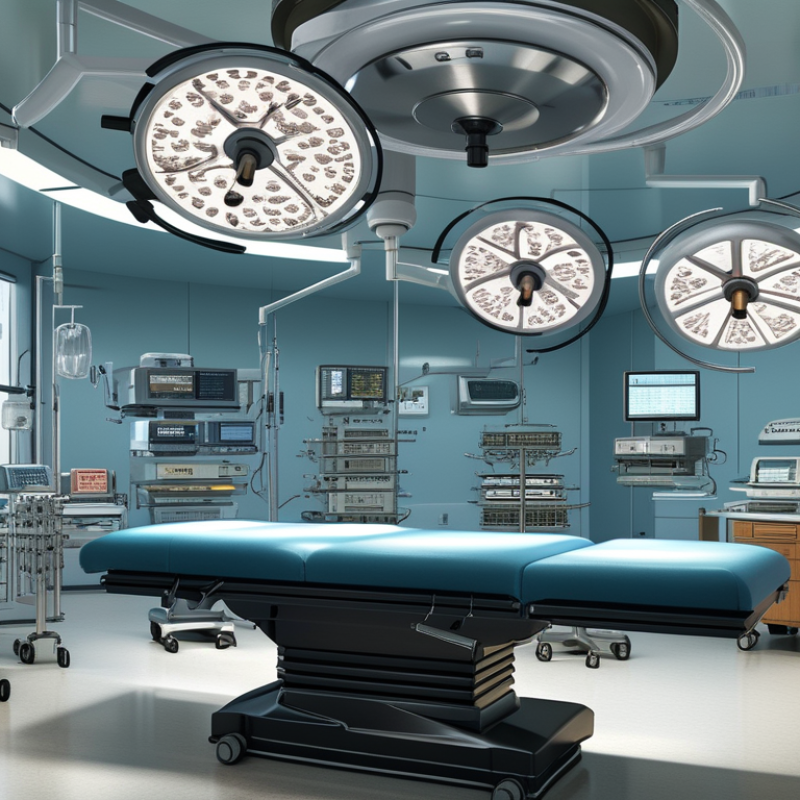
Improving efficiency in operating rooms requires thoughtful strategies. Streamlining surgical workflow is vital for better patient outcomes. One effective approach involves optimizing team communication. Regular briefings before surgeries create clarity. This ensures that each member knows their role. Reducing unnecessary chatter during procedures can help maintain focus.
Implementing advanced scheduling tools also enhances efficiency. These tools can minimize delays and ensure that operating rooms are used effectively. It’s important to track instrument availability and room readiness proactively. However, current systems may overlook manual scheduling errors. Reviewing past workflows can reveal areas that need improvement. Regularly assessing these tools helps maintain a reliable schedule.
Training staff on new technologies is critical. Ensuring that the team is comfortable with equipment leads to smoother operations. Yet, some staff may resist changes. Encouraging an open culture for feedback is essential. Acknowledging these hurdles can lead to innovative solutions. Creating an environment where everyone feels valued improves overall efficiency.
In modern surgical environments, advanced technology plays a crucial role in enhancing precision. Utilizing robotic surgery systems allows surgeons to perform intricate procedures with unmatched accuracy. These systems minimize human error and improve outcomes. However, it requires seasoned professionals to operate these complex machines effectively. Training and continuous education are vital for the surgical team to harness this technology fully.
To enhance the efficiency of operating rooms, here are some practical tips. Encourage regular training sessions for all surgical staff on new technologies. This fosters familiarity and increases comfort levels with advanced equipment. Regular feedback sessions can help identify areas needing improvement. Also, investing in communication tools can streamline surgical workflows, reducing delays.
However, relying solely on technology can lead to complacency. It is crucial to balance technological reliance with human intuition and experience. There may be scenarios where tech fails or misfires. Surgeons must be prepared to adapt quickly. Cultivating a culture of adaptability helps teams navigate unexpected challenges in surgery.
Effective collaboration is essential in operating rooms. Surgeons, anesthesiologists, and nurses must work seamlessly. Regular training sessions play a crucial role. They help build trust and improve communication. When teams practice together, they become familiar with each other's strengths and weaknesses. This familiarity can reduce errors during surgery. It can also save precious time.
Team efficiency often depends on open dialogue. Encourage all members to share their insights. This practice fosters a culture of respect and learning. However, not all teams excel in this area. Sometimes, hierarchies can stifle collaboration. It’s important to address any communication barriers, ensuring that everyone's voice is heard. Reflecting on past experiences helps improve future outcomes.
Moreover, debriefing after surgeries is a valuable tool. It allows teams to discuss what went well and what didn’t. These discussions can highlight areas for improvement. Teams that commit to learning from each experience tend to excel. As they adapt their practices, the quality of care significantly benefits. This ongoing process builds a resilient and efficient surgical team.
Monitoring and analyzing performance metrics in operating rooms is crucial for improving efficiency. Recent studies reveal that optimizing surgical workflows can reduce procedure times by up to 25%. Factors such as turnover time, instrument availability, and team communication significantly impact overall performance. Regularly collecting data on these elements can highlight areas needing attention.
One effective method for performance analysis is using key performance indicators (KPIs). Tracking metrics like on-time starts and case delays provides insights into surgical efficiency. Research shows that operating rooms operating at peak efficiency can dramatically increase throughput. A consistent review of KPIs can help identify inefficient practices that need improvement.
Incorporating real-time data monitoring can enhance communication among surgical teams. Having quick access to patient status and operation times may lead to faster decision-making. Observations reveal that a 10% reduction in delays often translates into a more streamlined workflow.
Emphasizing continuous feedback can foster a culture of improvement. Encourage teams to reflect on each procedure and share ideas for enhancing efficiency. Critical evaluations may uncover persistent issues, contributing to ongoing learning and better performance.
| Performance Metric | Current Value | Target Value | Improvement Action |
|---|---|---|---|
| Utilization Rate | 70% | 85% | Implement better scheduling software |
| Average Turnover Time | 30 min | 15 min | Train staff on quicker equipment checkout |
| Surgical Site Infection Rate | 2.5% | 1% | Enhance sterile protocols |
| Case Cancellation Rate | 5% | 2% | Improve pre-operative evaluations |
| Average Surgery Duration | 90 min | 75 min | Conduct time management workshops |
Optimizing inventory management for surgical supplies and equipment is crucial for enhancing efficiency in operating rooms. A study by the Healthcare Supply Chain Association highlights that inefficient inventory practices can lead to up to a 25% increase in operating costs. Therefore, hospitals must rethink their strategies. Maintaining optimal stock levels prevents delays and ensures essential equipment is readily available.
Implementing an automated inventory management system can be a game-changer. These systems provide real-time data on stock levels, allowing for informed purchasing decisions. According to a report by Global Healthcare Exchange, hospitals using automated systems saw a 30% reduction in supply chain costs. However, not all facilities have embraced this technology. Some still rely on manual tracking. This can lead to overstocking or stockouts, both of which disrupt surgical schedules.
Training staff on inventory management practices is often overlooked. Staff who understand the importance of inventory flow contribute to smoother operations. Additionally, regular audits of inventory can reveal discrepancies, highlighting areas needing improvement. While these steps may seem small, they are essential for building a more efficient surgical environment.
This chart illustrates the average monthly usage of various surgical supplies in operating rooms. By optimizing inventory management based on these data, hospitals can enhance efficiency and reduce waste.
: It enhances accuracy and minimizes human error during intricate procedures.
Training is vital for the surgical team to operate advanced machines effectively.
Over-reliance on technology can lead to complacency. Human experience is crucial in unexpected situations.
KPIs track metrics like on-time starts and case delays, providing insights into surgical efficiency.
Optimizing workflows based on metrics can decrease procedure times by up to 25%.
Factors like turnover time, instrument availability, and team communication should be regularly assessed.
It provides quick access to patient status, which improves decision-making and reduces delays.
Encourage regular feedback sessions to identify improvement areas and enhance team communication.
Training teams to quickly adapt in unexpected situations helps navigate challenges effectively.
It uncovers persistent issues, contributing to continuous improvement and better overall performance.
Enhancing efficiency in operating rooms is crucial for improving surgical outcomes and patient safety. There are several strategies to consider on how to improve efficiency in operating rooms. Streamlining surgical workflow is paramount, which can be achieved through optimizing staff roles and responsibilities. Implementing advanced technologies further aids surgical precision, enabling quicker and safer procedures.
Additionally, effective training and collaboration among surgical teams can significantly enhance coordination and communication, reducing delays and improving overall productivity. Monitoring and analyzing performance metrics allows for ongoing assessment and adjustments, ensuring that operating room processes remain efficient. Finally, optimizing inventory management for surgical supplies and equipment ensures that necessary materials are readily available, minimizing disruptions during surgeries. These strategies collectively contribute to a more efficient operating room environment.

Seeker Medical