In today's fast-paced healthcare environment, understanding how to optimize clinical workflow with proper equipment is essential. Clinical settings face increasing demands, and outdated tools can hinder efficiency. Investing in the right technology not only streamlines processes but also enhances patient care.
Healthcare professionals know that workflow optimization is more than just about equipment. It involves a blend of knowledge, experience, and resources. The challenge often lies in selecting tools that truly meet the needs of a specific practice. Many facilities struggle to identify which equipment will make a genuine impact on workflow.
Moreover, there's a risk of becoming too reliant on technology, which can lead to neglecting the human element in care. Balancing advanced tools with adequate training is crucial. This reflection on current practices ensures that professionals are equipped to make informed choices, ultimately improving both outcomes and staff satisfaction.
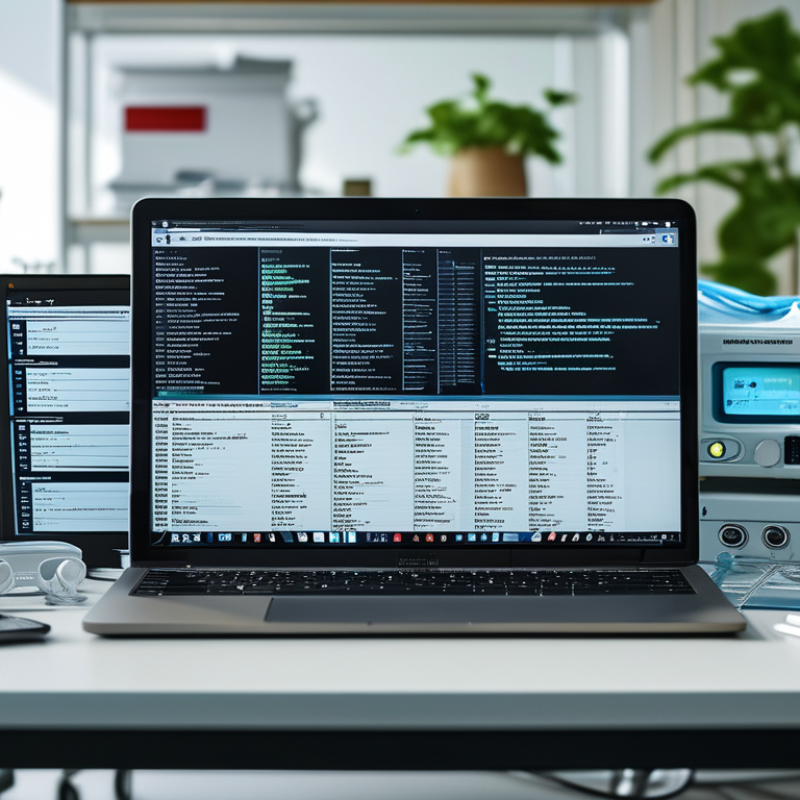
In healthcare settings, clinical workflow challenges are prevalent and multifaceted. A recent report indicated that up to 30% of healthcare professionals experience workflow disruptions daily. These disruptions often stem from outdated technology, inefficient communication, and cumbersome documentation processes. For instance, the average clinician spends two hours on administrative tasks for every hour of patient care, leading to burnout and reduced patient satisfaction.
Identifying specific challenges is essential for improving efficiency. A survey revealed that 40% of healthcare workers reported difficulties accessing patient data when needed. This lag affects timely decision-making and ultimately compromises patient safety. Additionally, communication breakdowns between care teams lead to duplicated efforts and errors. Strategies to overcome these issues include investing in integrated systems that enhance data accessibility and streamline communication.
Reflecting on these challenges reveals a need for ongoing evaluation and adaptation. While technology plays a key role, human factors must not be overlooked. Understanding the daily hurdles faced by clinical staff can guide improvements in workflow. Addressing these challenges effectively requires a commitment to both technological innovation and organizational culture change.
When evaluating equipment options, clinical efficiency hinges on effective choices tailored to specific needs. A recent report from the Healthcare Information and Management Systems Society indicates that proper medical equipment can reduce patient wait times by up to 25%. This improvement significantly enhances workflow, allowing healthcare providers to focus on patient care rather than administrative tasks.
Consider the integration of portable diagnostic tools. These devices can be used at the point of care, streamlining the diagnostic process. According to a study published in the Journal of the American Medical Association, facilities adopting such technology reported a 30% increase in patient satisfaction. However, it is vital to train staff adequately to utilize these tools effectively. Overreliance on technology without understanding can lead to inefficiencies.
Regular assessment of equipment choices is necessary. Not all high-tech options yield better results. The American College of Healthcare Executives emphasizes continuous evaluation to ensure that investments align with workflow needs. In reality, some clinics remain hesitant to adapt, often due to budget constraints or lack of training. Reflecting on these challenges is crucial for making informed decisions that genuinely enhance clinical efficiency.
Integrating technology into existing clinical workflows can be transformative. According to a report by the Healthcare Information and Management Systems Society, 67% of healthcare organizations that implemented new technology saw a measurable improvement in efficiency. This emphasizes how vital it is to choose solutions that harmonize with current practices.
One common challenge is not adapting technology seamlessly. A survey from the American Hospital Association revealed that over 40% of hospitals experienced disruptions when integrating new tools. This highlights the importance of thorough staff training and workflow evaluation before adopting new systems. Engaging frontline staff can provide valuable insights. Their feedback often reveals hidden workflow inefficiencies that technology can address.
Continuous evaluation is essential. As workflows evolve, so should the technology. An impressive 81% of healthcare leaders believe ongoing assessment can enhance clinical efficiency. Exploring solutions that allow adaptability will ensure that the equipment supports, rather than complicates, daily operations. Finding this balance is crucial for long-term success in healthcare environments.
Training staff on new equipment is critical for maximizing clinical workflow. When introducing new tools, personnel need comprehensive education. Understanding how to properly use equipment can significantly enhance patient care. Hands-on training sessions can bridge the knowledge gap, allowing staff to practice in a controlled environment. Real-life simulations can help them experience typical scenarios they’ll face.
However, not all training sessions go smoothly. Some employees may feel overwhelmed. There can be resistance to adopting new technologies. This is where ongoing support plays a vital role. Regular check-ins and refresher courses can bolster confidence. Encouraging open dialogue will help identify challenges. Staff should feel comfortable discussing their concerns about the equipment.
Inadequate training can lead to inefficiencies. Equipment might end up underutilized, which is a missed opportunity. It is essential to gather feedback from staff regularly. This helps refine training modules. Adapting the training process based on real-world experiences can enhance overall effectiveness. Making adjustments is vital for continuous improvement in healthcare settings.
In clinical settings, the right equipment can make a significant difference. Performance should be evaluated continuously. Regular assessments help identify gaps in workflow efficiency. For instance, tracking equipment utilization can reveal underused tools or processes.
Tips for assessment: Focus on data collection. Use metrics to analyze workflow speed and patient satisfaction. Gather feedback from staff on equipment usability. This approach fosters an environment of shared responsibility and improvement. It’s essential to listen.
Continuous improvement requires a mindset shift. Be open to change and experimentation. Often, even small adjustments can lead to better outcomes. Sometimes, what seems efficient may not work in practice. Reflect on feedback constantly, and adapt strategies accordingly. Regular training ensures staff are comfortable with equipment updates.
: Technology integration can enhance efficiency, as shown by reports indicating measurable improvements in two-thirds of organizations.
Many hospitals encounter disruptions. Over 40% experienced difficulties during integration, highlighting the need for careful planning.
Frontline staff can offer insights into existing inefficiencies. Their feedback is key in making technology adjustments that work.
Ongoing assessments are crucial because workflows change. An adaptable approach keeps technology aligned with operational needs.
Focus on data collection, workflow speed, and patient satisfaction. Staff feedback on equipment usability adds depth to assessments.
Small changes may lead to notable improvements. Reflecting on feedback is vital for refining practices and enhancing results.
Embrace change and experimentation. Being open to new ideas can lead to better efficiency and patient care.
Regular training is necessary, especially when new equipment or updates are introduced, ensuring staff are comfortable and efficient.
To effectively address the complexities of healthcare environments, understanding how to optimize clinical workflow with proper equipment is essential. Key challenges such as time management, resource allocation, and communication can hinder efficiency. By assessing a range of equipment options, healthcare facilities can enhance clinical processes. Integration of technology solutions into existing workflows not only streamlines operations but also supports staff in delivering quality patient care.
Moreover, providing comprehensive training for staff on new equipment plays a critical role in maximizing its utility. This investment in personnel ensures that staff can efficiently navigate new tools, leading to better patient outcomes. Finally, evaluating performance and making continuous improvements is vital to adapt to changing needs and enhance overall efficiency in clinical settings. By recognizing these aspects, healthcare providers can significantly improve their operational workflows.

Seeker Medical