In the medical field, the choice between reusable and disposable tools is crucial. Healthcare professionals often face the question: what are the differences between reusable and disposable medical tools? Both types have their unique applications and implications on patient care.
Reusable medical tools are designed for multiple uses. They undergo sterilization and maintenance after each use. This can lead to cost savings over time. However, improper cleaning can pose safety risks. Disposable tools, on the other hand, are single-use. They eliminate the risk of cross-contamination but can lead to increased waste.
Understanding these differences is essential for healthcare providers. The decision impacts not only budgeting and resource management but also patient safety. Striking a balance between efficiency and hygiene is key in medical practice. It begs the question of sustainability in an industry that often prioritizes immediate needs over environmental considerations.
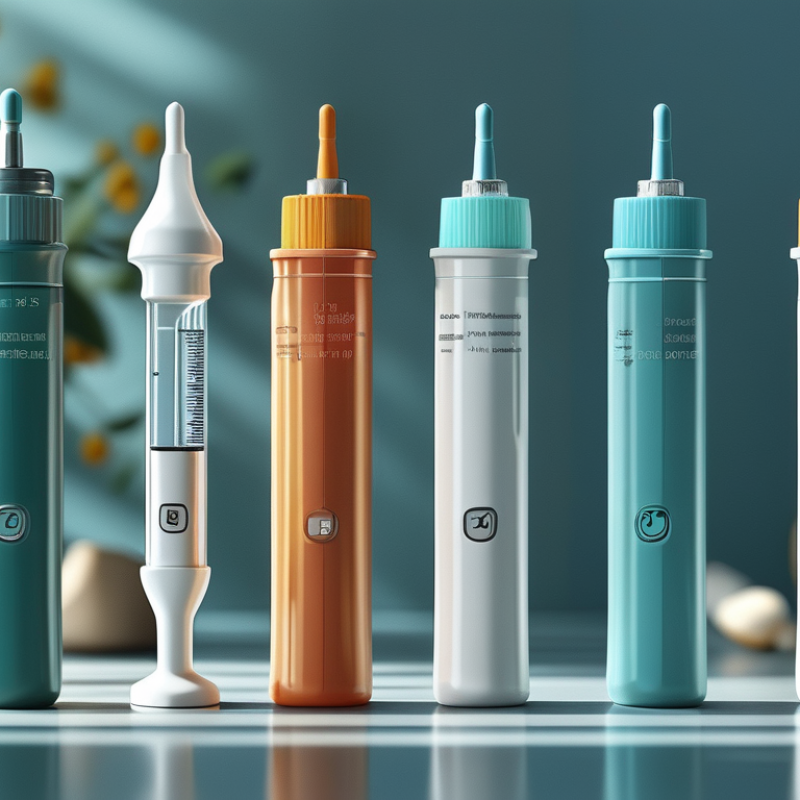
Reusable medical tools play a vital role in healthcare. They are designed to be sterilized and used multiple times. This design reduces medical waste and costs. Reusable tools can be found in various forms, such as surgical instruments, syringes, and endoscopes.
The maintenance of reusable tools is crucial. To ensure safety, they must be cleaned and sterilized after each use. This process can be time-consuming and complex. However, many healthcare facilities have systems in place for proper maintenance. Staff training is essential to prevent contamination. Without proper training, errors can occur, putting patients at risk.
While reusable medical tools are reliable, they require ongoing evaluation. Over time, wear and tear can affect their effectiveness. Regular inspections and replacements are necessary. Facilities must assess their processes continually to maintain high safety standards. Balancing cost-effectiveness and quality can be challenging, but it is vital for patient care.
This chart illustrates the differences between reusable and disposable medical tools across various metrics such as cost, environmental impact, sterilization time, durability, and usage rate. Each metric quantifies the relative advantages and disadvantages of both types of tools.
Reusable medical tools offer several advantages over disposable options, making them a preferred choice in many healthcare settings. One primary benefit is cost-effectiveness. Although the initial investment may be higher, reusable tools can significantly reduce long-term costs. Hospitals and clinics can save resources by sterilizing and using these instruments multiple times.
Additionally, reusable medical tools are often designed for durability and reliability. High-quality materials ensure they withstand repeated use without compromising functionality. This durability promotes confidence among healthcare professionals, knowing their tools will perform consistently. However, maintaining these tools requires stringent cleaning and sterilization protocols. Any lapse can lead to potential contamination, highlighting the importance of proper handling.
Environmental impact is another consideration. Choosing reusable over disposable tools helps reduce medical waste, which is increasingly important in our environmentally conscious society. Fewer disposables mean less landfill overflow. That said, the cleaning processes themselves can consume water and energy, inviting reflection on the balance between sustainability and resources used.
| Aspect | Reusable Medical Tools | Disposable Medical Tools |
|---|---|---|
| Cost | Lower long-term costs due to multiple uses | Higher long-term costs, as items are used once |
| Environmental Impact | More sustainable and eco-friendly | Higher waste production, contributing to landfill issues |
| Sterilization | Requires proper cleaning and sterilization | Ready to use, no sterilization needed |
| Durability | Designed for multiple uses, more durable | Not meant for reuse, less durable |
| Application | Used for various procedures; versatile | Used for specific, single-use procedures |
| Regulatory Standards | Must meet strict reprocessing standards | Typically easier to manufacture and distribute |
Reusable medical tools play a crucial role in healthcare. However, they come with challenges that require careful consideration. One major concern is the thorough sterilization process. Proper cleaning methods are essential to ensure safety. This requires specialized training and protocols that may not always be foolproof.
Another challenge is the potential for wear and tear. Reusable tools can degrade over time, affecting their performance. Medical professionals must routinely inspect and maintain these instruments. Failure to do so can lead to complications in patient care. Moreover, there is a risk of cross-contamination if tools are not managed correctly.
Sustainability is often cited as a benefit of reusable tools. However, the environmental impact of their manufacturing and disposal can be overlooked. This raises questions about the true sustainability of these instruments. Facilities must weigh the costs and benefits. The balance between cost-effectiveness and patient safety remains a complex issue that needs ongoing reflection.
Disposable medical tools serve a crucial role in healthcare settings. These tools are designed for one-time use, which helps prevent infection and cross-contamination. They are often made from materials that are both lightweight and cost-effective. This design allows for quick, efficient disposal after use, saving time for healthcare professionals.
Consider the surgical gloves used in operating rooms. They provide a barrier against pathogens. After a procedure, they are discarded, reducing the risk of spreading bacteria. Another example is syringes, which need to be sterile for each vaccination. Using single-use items ensures patient safety. However, the high volume of disposable tools also raises environmental concerns.
The reliance on disposable tools can lead to waste. Recycling options exist, yet many facilities may overlook them. This creates a need for better awareness and practices regarding disposal. Balancing patient safety with environmental responsibility is essential in modern medical care. Each type of tool has its merits, but it's vital to reflect on the impacts they create.
When considering reusable and disposable medical tools, the
cost aspect plays a crucial role. Reusable tools typically have a
higher initial purchase price but can be used multiple times.
This longevity may lead to lower overall costs in the long run. However, managing these tools requires proper
sterilization and maintenance. Skimping on these essential processes can pose significant risks. Continuous
investment in training staff for proper care is essential yet adds to
operational costs.
On the environmental front, disposable tools generate substantial waste. Single-use items contribute to
landfill overflow, affecting local ecosystems. Conversely, reusable tools
minimize waste but require energy and resources for cleaning and sterilization. This paradox invites
careful consideration of environmental impact. The ideal choice
often depends on specific situations, patient needs, and facility capabilities. A deeper understanding of
these factors can assist healthcare providers in making informed decisions. Balancing cost efficiency with environmental responsibility
is more complex than it seems. It invites ongoing reflection and discussion within the medical community.
: Disposable medical tools are designed for one-time use to prevent infection and cross-contamination.
They provide a sterile option, reducing the risk of spreading bacteria during procedures.
Yes, they generate significant waste and contribute to landfill overflow.
Surgical gloves are a common example, discarded after use to maintain hygiene.
Reusable tools have a higher initial cost but can be more economical over time if maintained properly.
Improper sterilization can pose health risks, making staff training essential yet costly.
Many facilities overlook recycling options, increasing the environmental burden.
They need to reflect on their practices and consider both patient safety and sustainability in their decisions.
It encourages improvement and better practices as needs and technologies evolve over time.
Yes, the type of tool can influence safety and efficiency, highlighting the importance of informed decisions.
The article "Differences Between Reusable and Disposable Medical Tools Explained" provides a comprehensive overview of the distinct characteristics of these two types of medical instruments. It begins by highlighting the benefits of reusable medical tools, such as cost-effectiveness and reduced environmental impact, while also addressing the challenges they pose, including the need for proper sterilization and maintenance. Conversely, the introduction of disposable medical tools sheds light on their convenience and safety, particularly in reducing the risk of cross-contamination.
A comparative analysis reveals key differences between reusable and disposable medical tools, focusing on their overall cost implications and environmental footprints. The discussion answers the critical question of what are the differences between reusable and disposable medical tools, emphasizing how healthcare facilities must weigh these factors in their choice of instruments to ensure both safety and sustainability in patient care.

Seeker Medical