Choosing the right medical device supplier is critical. The quality of medical devices directly impacts patient care and safety. Organizations often face challenges in this process, raising the question of how to select reliable medical device suppliers.
Many suppliers make bold claims, but not all can deliver. A thorough evaluation is essential to ensure quality and compliance. Understanding regulatory standards and past performance can offer insights. Transparency in operations and a history of positive customer feedback often reflect reliability.
In a rapidly evolving market, innovation matters. Suppliers should demonstrate a commitment to research and development. However, it can be difficult to discern which suppliers genuinely prioritize improvement. Engaging in dialogue with potential suppliers may reveal deeper truths about their capabilities and reliability. Balancing trust with due diligence is vital in this selection process.
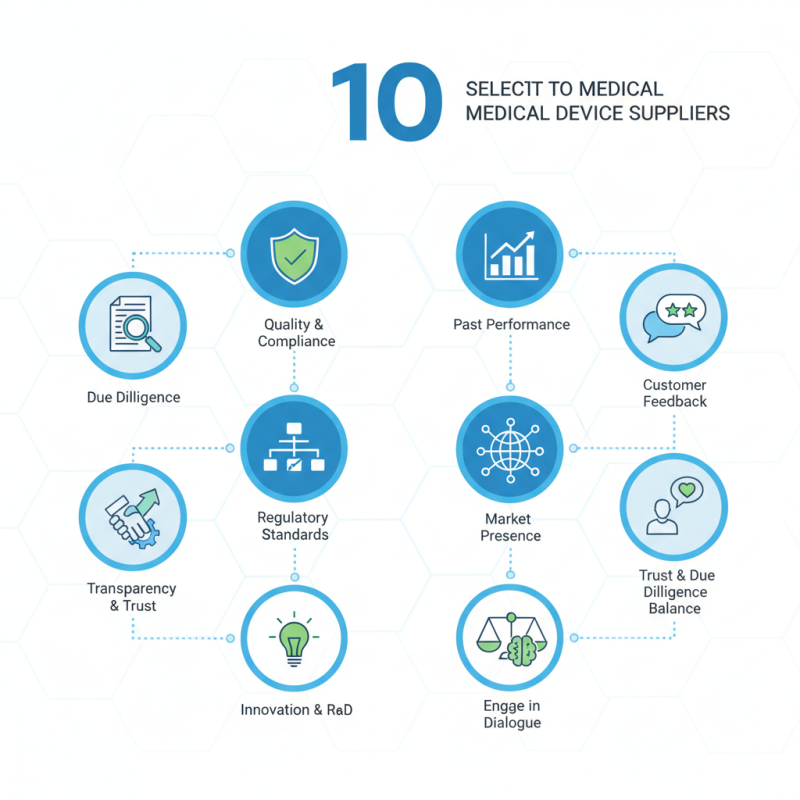
Reliable medical device suppliers play a crucial role in the healthcare system. Their products directly impact patient safety and treatment outcomes. It is essential to understand this before selecting a supplier. Researching a supplier's track record can reveal their reliability. Look for feedback from healthcare professionals regarding their experience with various suppliers. This firsthand knowledge can provide insight into quality and service.
A reliable supplier often exhibits transparency in their operations. This includes clear communication about their manufacturing processes and quality control measures. Regular audits can confirm a supplier’s adherence to industry standards. It’s also important to assess the supplier's technological capabilities. Are they keeping pace with innovation? Outdated technology can lead to compromised patient safety. Balance the urgency for expedited delivery with the need for quality. A rushed decision may introduce unforeseen risks.
Establishing a strong relationship takes time. Conversations should involve both parties discussing expectations openly. Reflecting on previous choices can guide future selections. Supplier relationships are not just transactions but partnerships for better healthcare delivery. Engage in continuous evaluation of suppliers. This ensures ongoing alignment with your specific needs and industry trends. It is not just about finding a supplier; it's about finding the right one.
This bar chart illustrates the top ten criteria for selecting reliable medical device suppliers, highlighting the importance of quality assurance and regulatory compliance in the selection process.
When evaluating medical device suppliers, several key criteria emerge. Start with the supplier's experience in the industry. Look for a track record of reliability. A supplier with years of experience often understands regulatory requirements better. This reduces risks in compliance issues.
Quality management systems matter greatly. Check if the supplier adheres to recognized standards. ISO certifications can indicate an ongoing commitment to quality. Regular audits help ensure that these standards are maintained. Ask about their product testing processes and quality assurance measures. This provides insight into their reliability.
Evaluate customer support capabilities as well. Responsive communication is vital in the medical industry. Delays can impact patient care. Ensure the supplier offers timely support and can handle inquiries efficiently. A lack of good customer service can lead to frustrations and complications. Additionally, consider their ability to provide training or resources. Suppliers who are proactive in this area often foster stronger partnerships with their clients.
When selecting reliable medical device suppliers, certifications and compliance standards should be a key focus. Medical devices must adhere to strict regulatory requirements. For instance, the global market for medical device compliance was valued at approximately $8.1 billion in 2022, highlighting the significance of this industry. Ensuring suppliers meet certifications like ISO 13485 is crucial. This standard guarantees quality management systems specific to medical devices.
Another critical aspect is understanding regulatory compliance from various regions. The FDA, for example, mandates that suppliers demonstrate compliance before product approval. However, many suppliers falter in maintaining these standards consistently. In recent studies, about 30% of suppliers failed to meet critical regulatory guidelines during audits. This statistic raises concerns about patient safety and device efficacy.
Furthermore, suppliers' ability to demonstrate ongoing compliance matters. Regular audits and assessments should be part of supplier evaluations. Monitoring their adherence to evolving regulations can prevent issues in the supply chain. Consideration of these factors is essential. Integrating rigorous standards helps companies mitigate risks and enhance product reliability.
When selecting a reliable medical device supplier, examining their track record is crucial. A supplier's history reflects their ability to meet industry standards and regulations. Look for companies with clear records of compliance and quality assurance. Check if they have faced any significant setbacks or controversies. Transparency in their operations indicates a commitment to quality.
Customer reviews can also provide valuable insights. They reveal real experiences from users. While some positive reviews are encouraging, look for patterns in negative feedback. Are there recurring issues? Take note of comments regarding customer service and support. Consistent complaints about responsiveness may indicate larger problems.
Finally, consider the supplier's communication style. How effectively do they address concerns? Timely responses can be a sign of their reliability. Trust is built through consistent, open dialogue. A supplier’s willingness to engage with customers can be just as important as their technical expertise. Choosing the right supplier involves thorough research and careful consideration of these factors.
Effective communication is essential when selecting medical device suppliers. Clear dialogue ensures that expectations are understood. This can reduce misunderstandings and streamline processes. According to a recent industry report, 70% of procurement failures stem from poor communication. Establishing a routine for updates can enhance alignment. Regular check-ins foster trust between parties.
Moreover, support during the selection process is critical. Suppliers should provide training materials and customer service access. A survey indicated that 65% of healthcare professionals value ongoing support from suppliers. This aspect can be a deciding factor in long-term partnerships. Ask for references and review feedback from others in the industry. Consider how responsive suppliers are when addressing concerns. This responsiveness can be a reflection of their commitment to quality.
Many organizations overlook the importance of feedback loops. Feedback helps in adjusting strategies and understanding supplier capabilities. Discussing challenges openly can lead to better solutions. Transparency in sharing information about issues is vital. Suppliers who welcome these discussions demonstrate reliability. Cultivating this kind of interaction can lead to mutually beneficial relationships.
| Tip Number | Tip Description | Importance Level | Follow-Up Actions |
|---|---|---|---|
| 1 | Verify supplier certifications and compliance with regulatory standards. | High | Request documentation; conduct audits. |
| 2 | Assess the supplier's financial stability. | Medium | Review financial statements; consult credit ratings. |
| 3 | Evaluate the supplier's experience in the medical field. | High | Request case studies; seek client references. |
| 4 | Check for quality assurance processes and protocols. | High | Review quality manuals; conduct site visits. |
| 5 | Assess the supplier's responsiveness and communication skills. | Medium | Engage in initial communications; timetable responses. |
| 6 | Consider the range of products offered by the supplier. | Medium | Analyze product catalogs; compare with needs. |
| 7 | Get clarity on pricing structures and terms. | High | Review contracts; compare pricing with other suppliers. |
| 8 | Evaluate supply chain logistics and delivery capabilities. | High | Inquire about lead times; check delivery records. |
| 9 | Review after-sales support and warranty services. | Medium | Ask about support channels; verify warranty terms. |
| 10 | Establish a long-term relationship with the supplier. | Medium | Set regular review meetings; communicate future needs. |
: Certifications ensure that medical devices meet strict regulatory requirements, promoting quality and safety.
ISO 13485 is a standard that focuses on quality management systems specifically for medical devices.
Different regions have unique compliance requirements. Suppliers must adhere to local regulations for product approval.
Around 30% of suppliers struggle to maintain essential regulatory guidelines during audits.
Regular audits and assessments are critical to ensure suppliers keep up with evolving regulations.
A clear history of compliance and quality assurance is essential. Significant setbacks can indicate risks.
They provide insights into real user experiences, helping to identify patterns in quality and service.
Effective communication and timely responses to concerns build trust and suggest dependability.
Transparency indicates a supplier's commitment to quality and can highlight any potential issues.
Yes, consistent and open dialogue is crucial for building trust and ensuring smooth operations.
Selecting reliable medical device suppliers is crucial for ensuring the safety and efficacy of medical products. Understanding the significance of dependable suppliers lays the foundation for evaluating potential partners. Key criteria include assessing their certifications and compliance with regulatory standards, which serve as indicators of quality and safety.
Additionally, examining a supplier's track record through customer reviews can provide insights into their reliability and performance. Effective communication and support from suppliers are also essential, as they facilitate collaboration and problem-solving. By following these guidelines on how to select reliable medical device suppliers, organizations can establish strong partnerships that contribute to better patient outcomes and maintain high industry standards.

Seeker Medical