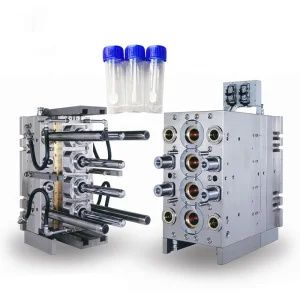
Explore our premium selection of medical-grade accessories, clinical tools, and diagnostic support inventory manufactured to strict global standards.
Established in May of 2004, Nanjing Seeker Medical Co., Ltd. has grown into a leading developer and manufacturer of high-quality surgical sutures, surgical needles, and institutional containment solutions. Operating on the core values of technical innovation and structural reliability, our expansive product lines comply with strict global safety protocols.
With a comprehensive modern production framework, we have secured 29 utility and invention patents, facilitating the complete automation of our fabrication facilities. Our quality assurance architecture holds full production licenses alongside internationally recognized certifications, including CE, ISO 13485, ISO 14001, and ISO 45001. This ensures that every shipment meets the exact standards of municipal governments, global health bodies, and forensic institutions.
An Analytical Whitepaper on the Critical Role of High-Barrier Human Remains Pouches (HRPs)
In contemporary public health, emergency response, and forensic sciences, the containment and transport of human remains represent critical aspects of biohazard management. Commonly referred to as cadaver bags, body bags, or Human Remains Pouches (HRPs), these containment devices are no longer simple transport wraps. They are engineered barriers designed to contain volatile organic compounds (VOCs), bloodborne pathogens, and potential biological toxins, safeguarding forensic professionals, emergency personnel, and public safety.
The global demand for high-integrity cadaver bags is driven by a spectrum of institutional requirements. Municipal disaster preparedness stockpiles, defense ministries, humanitarian NGOs, and national health authorities maintain strategic reserves to respond to large-scale emergencies, epidemics, and geopolitical crises. As regulatory scrutiny under global organizations like the WHO and OSHA intensifies, the procurement metrics for these products have shifted from basic cost consideration to sophisticated material performance benchmarks.
"Reliable body bag engineering directly influences safety margins in disaster zones and forensic labs. Material failures, leaks, or degradation under high-UV exposure or sub-zero environments pose immediate biosecurity risks. China's industrial infrastructure plays a key role in mitigating these risks by offering advanced polymer materials and automated fabrication technologies."
Modern cadaver bag manufacturing utilizes multi-layered polymers designed to balance flexibility, environmental impact, and mechanical resilience. Traditionally, polyvinyl chloride (PVC) was the industry standard. However, due to the release of toxic dioxins during cremation, global markets are rapidly transitioning to polyethylene vinyl acetate (PEVA).
How automation, supply chain density, and technical quality standards drive global procurement efficiency.
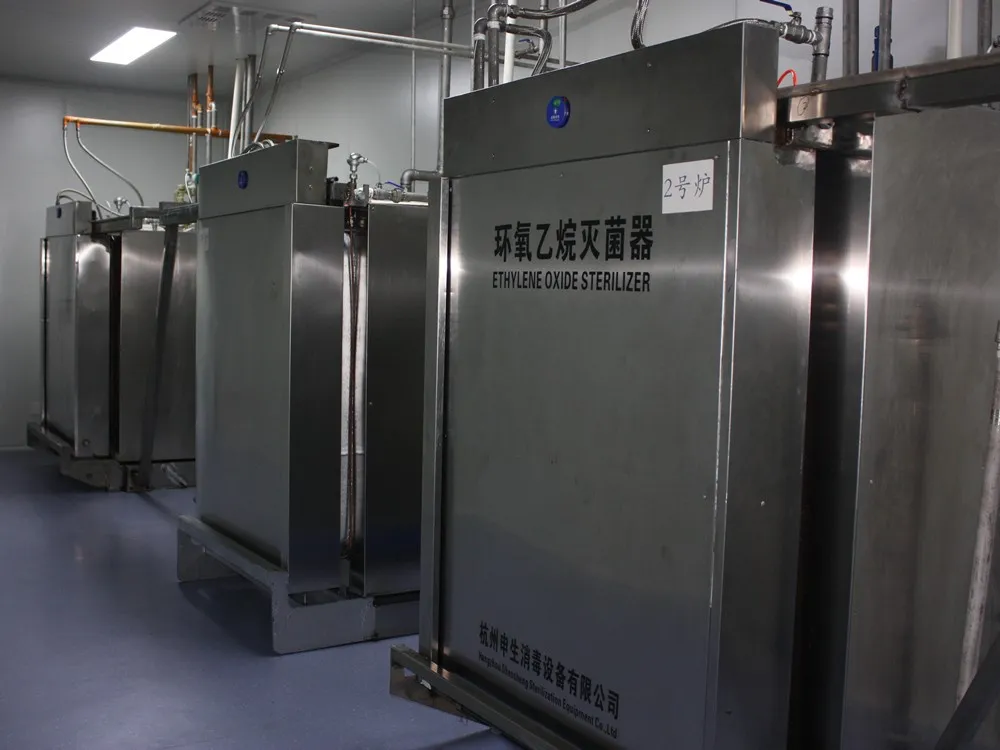
China's manufacturing ecosystem provides an efficient pipeline from raw polymer synthesis to final product assembly. By utilizing Radio Frequency (RF) welding machines instead of traditional mechanical sewing, Chinese factories fuse polymer sheets at the molecular level. This creates hermetically sealed seams that prevent leakage of fluids and odors.
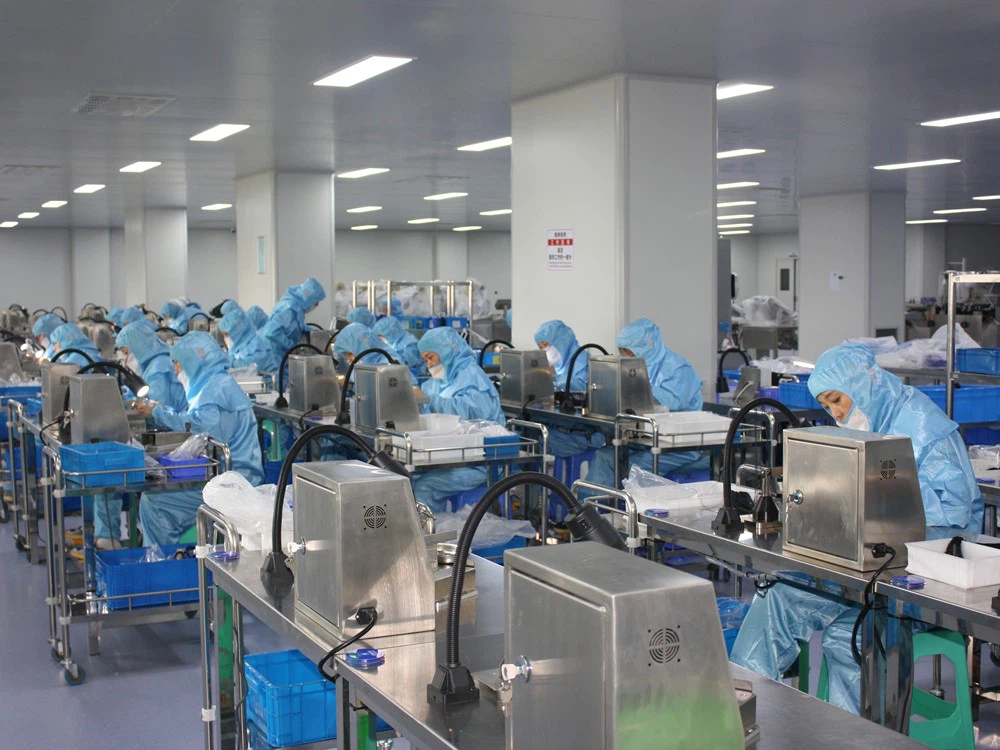
Our automated processes allow Nanjing Seeker Medical to scale production rapidly during international emergency situations while maintaining consistent weld strength. We also implement custom raw material formulations (such as custom UV stabilizers and antimicrobial coatings) to meet specific localized demands.
All staff in our company welcome partners from home and abroad to collaborate on human health and biosecurity solutions. Our facility design prioritizes sterility and precision, ensuring that all products comply with national and international quality frameworks.
Utilizing high-power RF welding to generate molecular-bond seams, eliminating the risk of leakage common with traditional stitching.
Reinforced webbing handles are cross-stitched and RF-welded to support weights from 150 kg (330 lbs) to over 300 kg (660 lbs).
Our chlorine-free PEVA materials release only water vapor and carbon dioxide during cremation, meeting strict ecological mandates.
Select the appropriate design blueprint based on forensic requirements, environmental exposure, and load specifications.
| Specification Category | Standard Duty (Clinical/Morgue) | Heavy Duty (Disaster/Forensic) | Premium Tactical (Military/Field Recovery) |
|---|---|---|---|
| Primary Material | PEVA / Light PVC | Heavy-Duty PEVA / Reinforced PVC | Polyester Scrim / TPU Lamination |
| Material Thickness | 0.20 mm - 0.25 mm (8 - 10 mil) | 0.38 mm - 0.45 mm (15 - 18 mil) | 0.50 mm - 0.60 mm (20 - 24 mil) |
| Load Capacity | Up to 120 kg (264 lbs) | Up to 200 kg (440 lbs) | Up to 300+ kg (660+ lbs) |
| Zipper Configuration | Straight Center Zipper (#8 / #10 Nylon) | Envelope Style / C-shape Zipper | Curved/U-Shape Heavy-Duty Waterproof Zipper |
| Handle System | No Handles / 4 Basic Punch Cutouts | 6 Integrated Webbing Handles | 8 Reinforced Padded Carry Grips |
| Fluid Retention | Heat-Sealed / Fluid-Resistant | 100% Hermetically Sealed (No Leak) | Gas-Tight / Chemical-Resistant Seams |
Aligning manufacturing output with localized field conditions and global regulatory compliance.
Civil defense authorities maintain reserves of body bags for natural disasters, epidemics, and emergencies. Sourcing requirements emphasize long-term storage viability. Under high-humidity conditions in strategic warehouses, materials must resist hydrolysis and microbial attack. Our specialized PEVA films with antimicrobial additives prevent structural degradation during long-term storage.
Medical examiners and pathology departments require transparent access, structural stability, and reliable containment. Forensic bags often utilize envelope-style (curved) zippers to allow examinations with minimal disturbance to remains. The materials must also be compatible with X-ray, CT scanning, and MRI procedures, avoiding artifacts during diagnostic imaging.
The commercial containment industry is moving toward more environmentally friendly materials. TPU (Thermoplastic Polyurethane) is gaining traction due to its strength, flexibility, and quick decomposition rates when buried compared to conventional PVC.
Another developing trend is the integration of tracking systems. Incorporating RFID tags or barcode labels directly into the bag structure allows logistics systems to maintain chains of custody under difficult field conditions without compromising containment seals.
Key information regarding biohazard safety, custom configurations, and global supply logistics.
When stored in a cool, dry, and UV-protected warehouse environment, PEVA cadaver bags maintain their structural integrity for 5 to 7 years. Avoid direct exposure to sunlight and temperatures exceeding 50°C to prevent degradation of the material.
All seams are constructed using automated high-frequency RF welding, creating a unified bond. For fluid containment, we utilize dual-barrier seals and double-sided zippers. Specialty containment options feature gas-tight, pressure-tested zippers to prevent any leaks.
PEVA is fully compliant and widely accepted in modern crematoriums because it does not release chlorine gas or harmful dioxins during combustion. Standard PVC bags are generally restricted from cremation due to environmental regulations and are instead used for standard burial or forensic storage.
Products are tested under dynamic and static weight distributions. Handles are tested for tear resistance, and fabric tensile strength is measured according to ISO standards. Our manufacturing facilities are ISO 13485 certified to ensure consistent product performance.
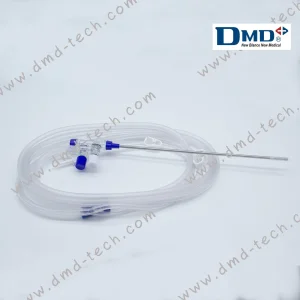
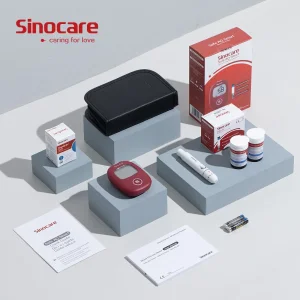
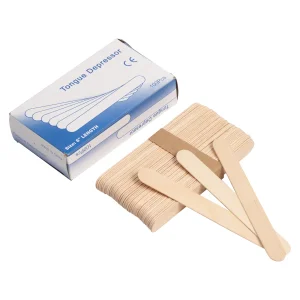
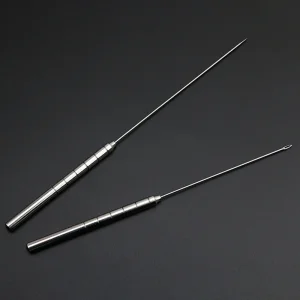
View our additional medical supplies, including surgical instruments and diagnostic accessories, to support comprehensive care operations.
 Seeker Medical