Explore our foundational range of clinically approved devices, sterile products, and surgical instruments trusted worldwide.
Within healthcare facilities, patient identification errors represent a major systemic challenge to clinical risk management. Misidentification incidents can lead to medication errors, diagnostic testing discrepancies, and incorrect surgical site procedures. As a result, the deployment of robust CE Certified Patient Identification Wristbands is an essential safety barrier.
By establishing physical verification linked directly to Electronic Medical Records (EMR), these medical devices serve as the foundation of hospital safety protocols. This guide outlines technical configurations, material properties, and systemic advantages for health organizations seeking to upgrade their patient tracking systems.
"Ensuring positive patient identification is the first step in clinical quality control. CE Certification under MDR 2017/745 ensures these wristbands meet rigorous mechanical, chemical, and biological safety standards across European and international jurisdictions."
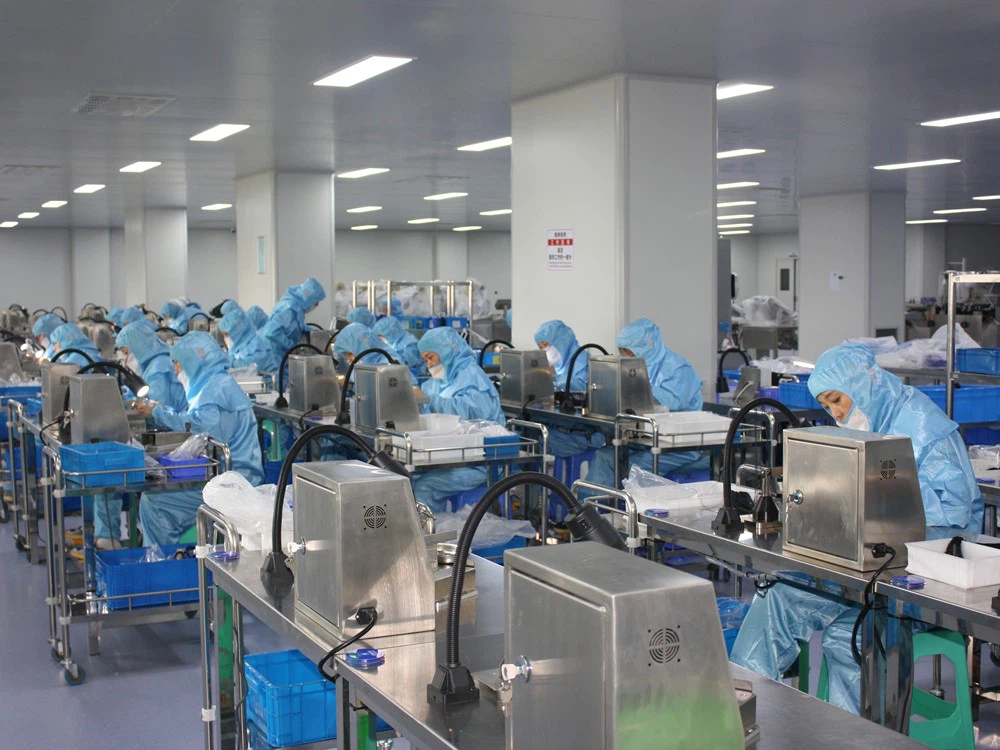
Modern clinical governance relies on secure patient tracking systems. Around the world, safety agencies like the Joint Commission International (JCI) and the World Health Organization (WHO) emphasize using at least two independent identifiers (e.g., patient name and date of birth) before administering medication or performing medical procedures. This requirement has transformed wristbands from simple plastic bands into sophisticated medical data carriers.
In Europe, the transition from the Medical Device Directive (MDD) to the more stringent Medical Device Regulation (MDR 2017/745) has established strict compliance rules for all patient identification products. Wristbands are classified as Class I Medical Devices, meaning they must undergo strict testing for skin contact toxicity, durability, chemical resistance, and sterilization compatibility. Nanjing Seeker Medical’s manufacturing processes are built to meet these evolving European and international regulatory demands.
The industry is transitioning away from manual writing systems toward direct-thermal, thermal-transfer, and RFID-enabled identification bands. High-frequency (HF) and Ultra-High Frequency (UHF) RFID systems are increasingly integrated into smart hospital workflows, allowing real-time tracking of patients throughout their clinical pathways. Key factors driving materials selection include:
Below is a comparative analysis of wristband designs engineered to meet modern clinical workflows:
| Specification Feature | Direct Thermal Wristbands | RFID Smart Wristbands | Laser Printable Sheets |
|---|---|---|---|
| Primary Material | Premium Polyurethane Coated Film | Polyester (PET) / TPU Carrier | Synthesized Waterproof Polyolefin |
| Printing Method | Direct Thermal (No ribbon required) | Thermal/RFID Encoder | Standard Laser Printer |
| Biocompatibility | ISO 10993 Certified, Latex-free | ISO 10993 Certified, Latex-free | FDA Medical Grade, Non-toxic |
| Closure System | Adhesive / Plastic Snap | Permanent Locking Snap | Pressure-Sensitive Adhesive |
| Common Applications | Acute Care, Emergency Admissions | Infant Tracking, Psychiatric Units | Outpatient Clinics, Day Surgery |
Different hospital departments require specific designs for patient identification:
Neonatal skin is highly sensitive. Wristbands for this application use ultra-soft materials, rounded corners, and adjustable sizes to prevent skin irritation on premature infants. These designs frequently feature color-coding for rapid clinical identification.
Emergency workflows require rapid deployment. Color-coded triage bands (Red, Yellow, Green, Black) with pre-printed barcodes help first responders quickly categorize and track critical patients under challenging field conditions.
Day surgery clinics often use laser-printable sheet formats, printing the patient's ID wristband alongside medical chart labels on a single sheet. This integration simplifies administration and reduces clerical errors.
Healthcare facilities are moving from visual identification to automated identification and data capture (AIDC) solutions. Our R&D division focuses on integrating technology directly into patient wearables:
High-density QR codes allow clinical staff to access medication schedules, allergy warnings, and emergency contact details with a quick scan at the bedside using hand-held medical terminals.
Radio Frequency Identification (RFID) wristbands enable contact-free patient tracking. They help verify patient location during transfers and automatically confirm patient identity before surgical procedures.
In response to green initiatives, hospitals are prioritizing biodegradable plastic composites. Our developmental pipeline includes wristbands made from compostable materials that break down safely in medical waste systems.
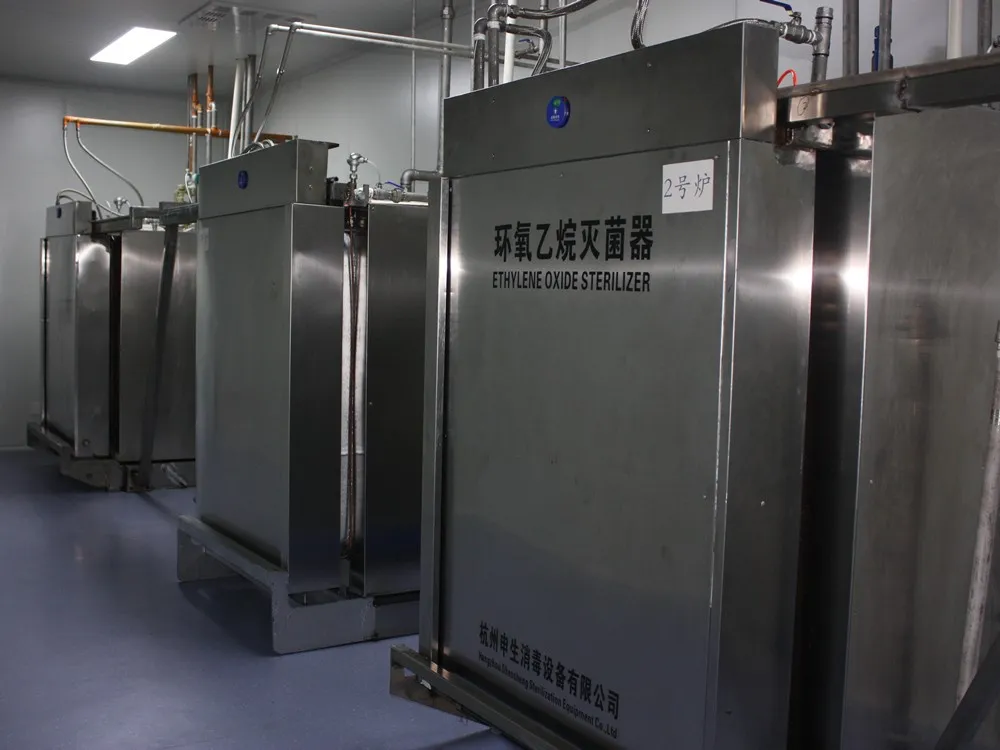
Established in May of 2004, Nanjing Seeker Medical Co., Ltd. is a professional manufacturer specialized in the research, development, and production of high-precision surgical sutures, surgical needles, and advanced medical consumables. All of our products comply with international and domestic quality standards, and we are proud to hold full production licenses, alongside CE, ISO13485, ISO14001, and ISO45001 certificates.
We operate under a strict quality policy: modern techniques, excellent quality, and complete customer satisfaction. We invest heavily in new technology. To date, we have secured 29 new invention patents and successfully automated key parts of our production processes, helping us serve diverse markets globally.
All staff members at our company welcome partners from home and abroad. Let us work together to support human health and patient safety globally.
Expert answers to common technical and regulatory questions for hospital procurement teams and distributors.
Explore our additional medical supplies, surgery kits, and specialty products designed to meet international clinical standards.
 Seeker Medical