A Whitepaper on Mitigating Surgical Site Infections (SSIs) through High-Specification Single-Use Instruments
In the contemporary healthcare landscape of Central Africa, particularly within the Republic of Equatorial Guinea, the demand for highly reliable, sterile, and cost-effective medical solutions has entered an unprecedented phase. Driven by the Ministry of Health and Social Welfare (MINSABS) and key operational bodies like the Social Security Institute (INSESO), the nation is actively modernizing its clinical infrastructure. From the landmark Hospital General de Malabo and the modern Hospital Regional de Bata to the pioneering medical complexes in Ciudad de la Paz (Oyala), surgical safety remains the ultimate cornerstone of clinical quality assurance.
A primary challenge facing healthcare administrators in tropical climates is the eradication of nosocomial pathogens. Traditional, reusable surgical instruments require complex, energy-intensive reprocessing, high-purity water loops, and continuous chemical monitoring to ensure total sterility. In many regional clinical sites, the logistical footprint of maintaining autoclave validation, combined with intermittent water and power supplies, poses a significant clinical risk. This has catalyzed a systematic shift toward disposable surgical instruments. By utilizing medical devices designed for single-patient use, hospitals in Malabo and Bata can guarantee absolute sterile assurance at the point of care, reduce operating room turnaround times, and eliminate the risk of cross-contamination.
Phase I: Primary Sterile Devices Designed for Minimally Invasive and General Surgeries
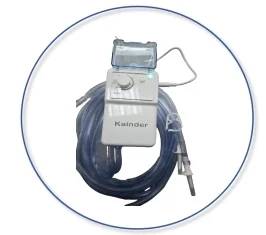
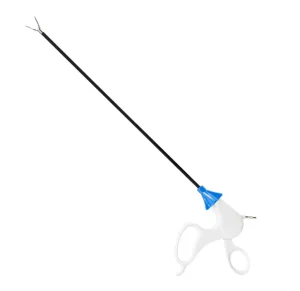
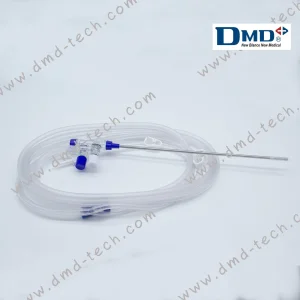
On a global scale, the market for disposable surgical instruments is expanding at a CAGR of over 8.2%, driven by a strict alignment with patient safety guidelines defined by the World Health Organization (WHO) and the Centers for Disease Control and Prevention (CDC). Autoclaving and manually scrubbing surgical instruments are increasingly scrutinized due to the emergence of highly resistant pathogens, including multidrug-resistant bacteria and prions, which can survive standard heat-based sterilization protocols. Global health networks now view single-use instruments as the standard of care for high-throughput and remote emergency environments.
For Equatorial Guinea, this transition is highly strategic. As the country builds its healthcare self-reliance, partnering with certified global manufacturers like Nanjing Seeker Medical Co., Ltd. bridges the gap between local clinical needs and world-class quality standards. The economic advantages are clear: hospitals can reallocate budgets away from expensive water purification systems, specialized sterilization chemicals, and continuous equipment maintenance, channeling resources instead into direct patient care and expanding clinical reach to districts such as Mongomo, Evinayong, and Luba.
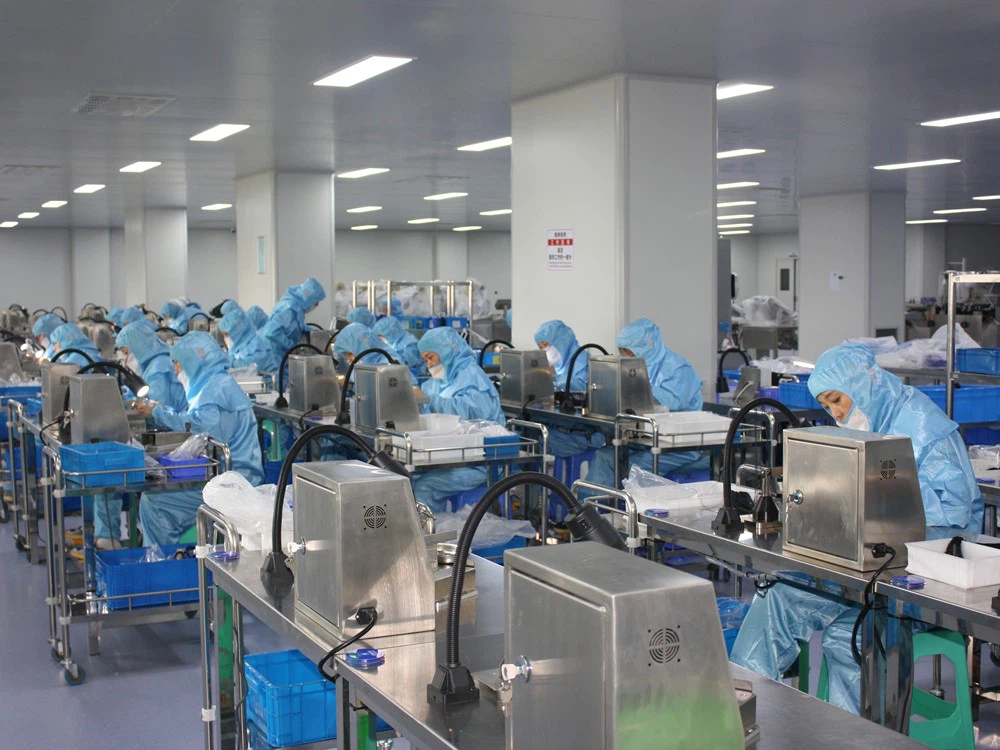
Over 19 Years of Excellence in Sterile Surgical Manufacturing
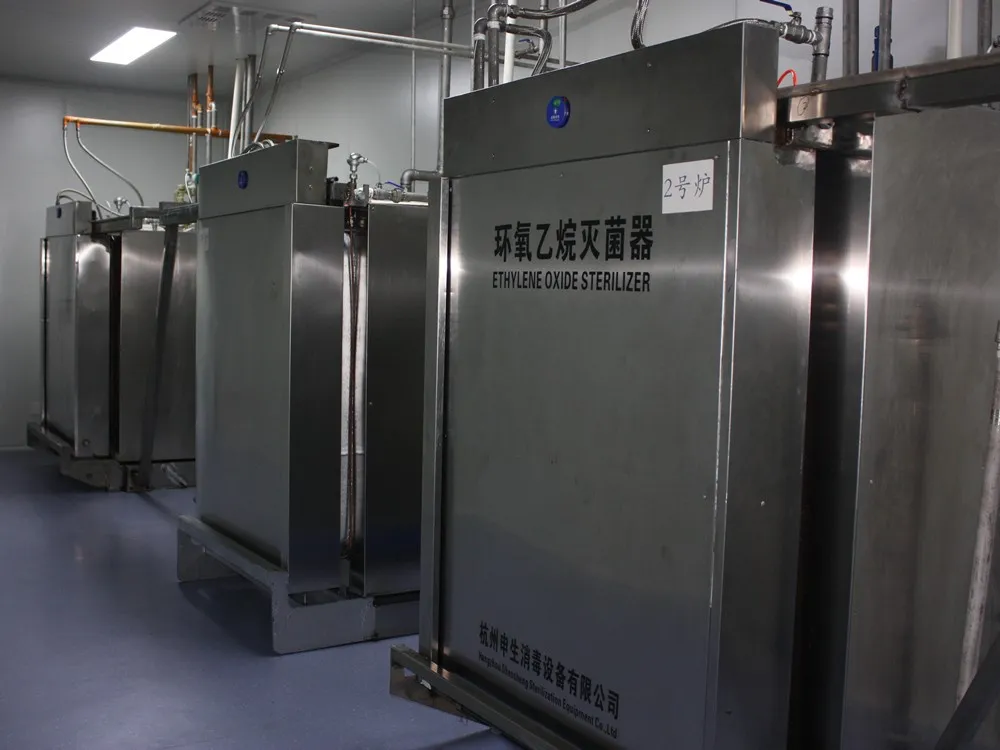
Established in May 2004, Nanjing Seeker Medical Co., Ltd. has positioned itself as a premier research-oriented manufacturer of surgical sutures, surgical needles, and specialized single-use surgical instruments. With nearly two decades of dedication to human health, our production plant operates at the absolute peak of modern technical capability. We have realized the total automated transformation of our production processes, ensuring that human contact during critical fabrication stages is minimized, thereby maintaining the highest sterile integrity.
Our commitment to rigorous standards is evidenced by our regulatory achievements. All products comply with both local and international regulatory frameworks. Nanjing Seeker Medical holds certified production licenses alongside prestigious international designations, including CE, ISO 13485, ISO 14001, and ISO 45001. By securing 29 new invention patents, we remain at the forefront of surgical device engineering, introducing key design enhancements that improve ergonomic handling, safety, and performance for surgeons worldwide.
Tailoring Sterile Surgical Supply to the Geographical and Climatic Needs of the Region
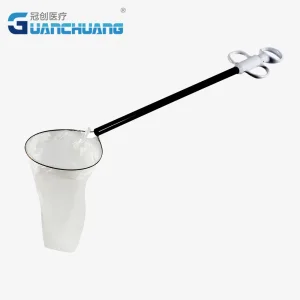
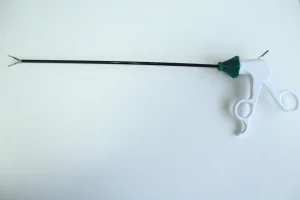
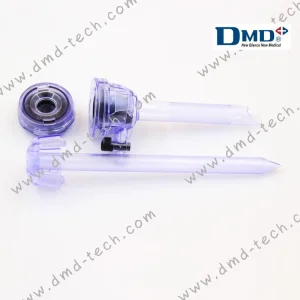
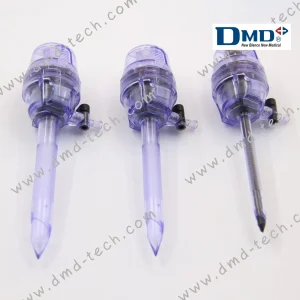
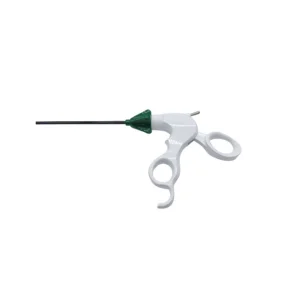
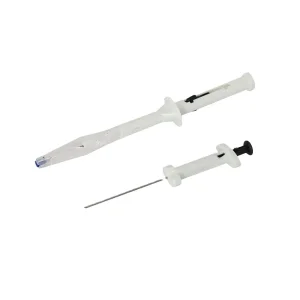
1. Minimally Invasive Laparoscopy in Urban Centers: In Malabo and Bata, hospitals are scaling up their minimally invasive surgery (MIS) capabilities to reduce patient recovery times. The integration of single-use laparoscopic instruments—such as surgical forceps, trocars, and retrieval bags—ensures that the delicate mechanism of each instrument works flawlessly without degradation from repetitive chemical washes.
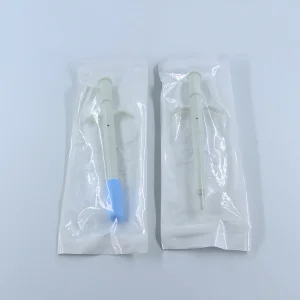
2. Emergency Trauma & Rural Debridement: In remote regions, access to specialized sterilization equipment is limited. Nanjing Seeker Medical's disposable sterile pulsed irrigation devices and surgical wound restorers are ready-to-use straight from the sterile packaging. This is crucial for primary clinics handling emergency debridement and trauma cases where quick response and absolute sterility prevent secondary infections.
3. Tropical Climatic Resilience: High humidity and temperature levels in Equatorial Guinea place severe demands on sterile barrier packaging. Nanjing Seeker Medical uses advanced medical-grade Tyvek and polymer films that guarantee a robust sterile barrier for up to five years, protecting the instruments from humidity-driven degradation during transport and storage in regional clinics.
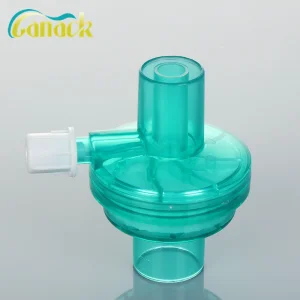
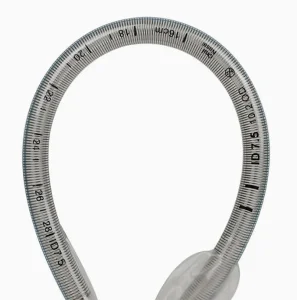
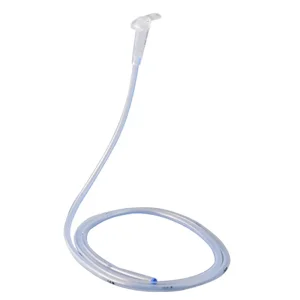
4. Anesthesia & Airway Management: Operating rooms require reliable airway management. Disposable HMEFs (Heat and Moisture Exchanger Filters) and reinforced endotracheal tubes prevent the transfer of pathogens within the breathing circuits of anesthesia machines, protecting both the patient and the equipment in high-turnover surgical theaters.
How Nanjing Seeker Medical is Pioneering the Next Generation of Sustainable, High-Performance Surgical Solutions
Transitioning to biodegradable and recyclable engineering plastics to reduce the ecological impact of disposable surgical waste in Central Africa.
Incorporating GS1-compliant Unique Device Identifiers (UDI) directly onto the packaging to enable real-time inventory and tracking across hospitals.
Utilizing computer-aided simulation and feedback from global clinical advisory boards to optimize the tactical feel and control of laparoscopic instruments.
Developing heat-reflective transit packaging to ensure that plastic and rubber components remain structurally sound under tropical maritime shipping conditions.
Phase II: Specialized Clinical Instruments for Cardiovascular, Anesthetic, and Abdominal Surgery
Streamlined Importing Pathways to the Port of Malabo and Port of Bata
Importing high-grade medical devices into Equatorial Guinea requires a deep familiarity with local customs protocols, ministry approvals, and pre-shipment quality verifications. Nanjing Seeker Medical provides a comprehensive localization support system. We supply all required technical documentation, including CE Declarations of Conformity, ISO 13485 Quality certificates, EO Sterilization validation reports, and Certificate of Analysis (COA) for each batch. This speeds up approval through the Directorate-General of Pharmacy and Medicines (MINSABS).
To avoid transit damage, our packaging systems are built for long-distance maritime freight. We handle containerized cargo routed through main ports (Port of Malabo, Bioko Island, and Port of Bata, Litoral Province). Our logistics division coordinates with inspection agencies like SGS or Cotecna to secure the Clean Report of Findings (CRF) and customs clearances. This guarantees that your medical supplies arrive on time and fully ready for clinical use.
Essential Information for Hospital Procurement and Medical Supply Distributors in Equatorial Guinea
Upgrade your hospital network's clinical safety and operational efficiency with Nanjing Seeker Medical.
 Seeker Medical